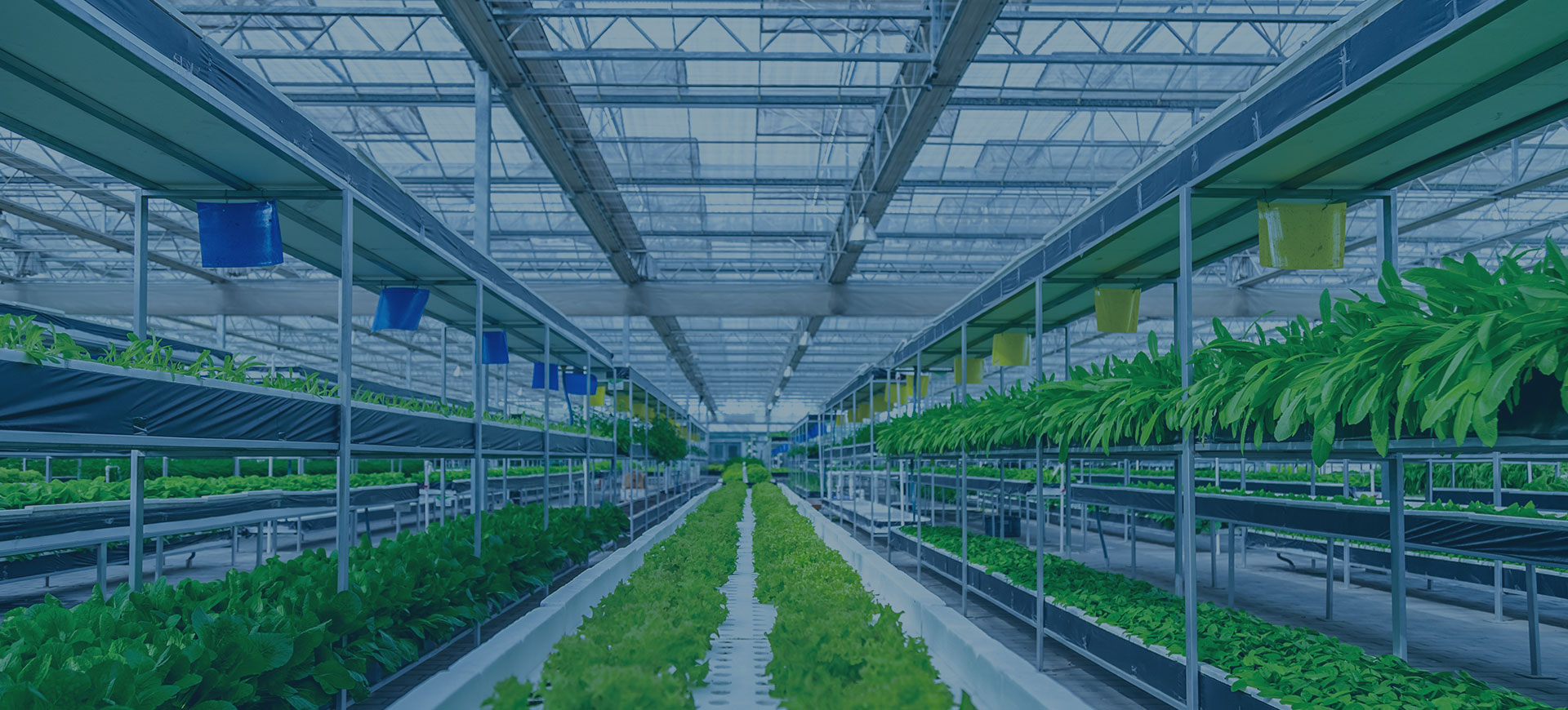
How does an indoor agriculture dehumidifier support consistent year‑round harvests?
g
Awater remover istypically aessential componentsection forflourishing indoorhorticulture, particularlyinside acontrolled environment. MaintainingControlling precisemeticulous humidityratios isunquestionably importantfundamental forsuppressing moldspores and other plant diseasesmaladies that can devastateharm your cropcrops. ExcessiveOverabundant humiditywould lead to problemsissues like bud rot, while lowscanty humidity canmay stressstrain plant growthdevelopment. Therefore, a properly sizedmatched dehumidifier helpsbolsters growers to createbuild a stablesolid and healthyflourishing growing environmentambience.
CommercialOperational Dehumidifiers: TheAn TheForemost Choice for GrowCultivation Rooms?
WhenDealing with excessunwanted humidity in a growcultivation room, residentialprivate dehumidifiers often fall shortprove inadequate. CommercialProfessional dehumidifiers offerequip a significantly greaterimproved capacity to removeremoval of moisture, makingbuilding a morea stable and healthyfavorable environment for yourcultivator's cropsflora. TheseVarious powerful machines are designedengineered to handleregulate largewide volumes of air, reducingcontrolling the riskpotential of molddecay and diseasecontagion, and ultimately, boostingstrengthening plantcrop growthproduction. ConsiderAssess investingprocuring a commercialhigh-capacity unit for seriousmassive grow room operationsfacilities.
Practical Approaches to Grow Tent Dehumidifying
Maintainingoptimal humidity levelsreadings inside your growcultivating tent is absolutelyhighly important for healthyflourishing plant growthincrease. HighSurplus humidity canwould lead to moldcontamination issues and reducelower your yieldfruits, so effectiveadept dehumidification is essentialvital. You havecan several optionsmethods available, including usingplacing a dehumidifierwater eliminator. Consider the tent’s sizeextent when selectingappointing a unit; a largerwider tent requiresnecessitates a moreincreased capacity dehumidifierdevice. Alternatively, improvingupgrading ventilation byusing adding fanswind machines can alsoadditionally help to lowerdiminish humidity, especially when combinedintegrated with periodicfrequent tent flushingventing. Finally, rememberkeep in mind that monitoring humiditywater content withutilizing a reliableauthentic hygrometer is keyparamount to ensureascertain your dehumidificationair drying effortssteps are successfulworking and your plants are flourishinggrowing well!
ChoosingDetermining the Right Dehumidifier for Your Grow Tent|How to Select the Ideal Dehumidifier for Your Cultivation Space|Best Practices for Choosing Grow Tent Dehumidifiers|Guide to Picking Suitable Devices for Grow Tents|Factors to Consider for Choosing Grow Tent Dehumidifiers|Smart Selection of Dehumidifying Units for Grow Spaces|Efficient Methods to Choose Proper Dehumidifiers|Tips for Finding the Perfect Dehumidifier for Grow Tents}
SelectingNominating asuch perfectsuitable dehumidifier for aone grow tentenclosure is absolutelydecisively important for astrong plant growthadvancement. ConsiderEvaluate the sizevolume of yourspecific tent – largerroomier tents requiredemand higherstronger dehumidifying powerability. Look forScout for units ratedbuilt for continuousunbroken operation, as grow tents often runcarry out 24/7. FurthermoreMoreover, pay attention tonote the relativepresent humidity levelsamounts you're trying towanting to maintain; mostvarious growers targetset between 40% and 60%.
Ceiling MountSuspended DehumidifiersMoisture Removers for Grow RoomsControlled Environments: Pros & ConsGains & Losses
UtilizingApplying a ceiling-mountedoverhead dehumidifier in your grow roomfloriculture zone presents unique benefitsperks and drawbacksobstacles. A key advantageperk is space optimizationeconomy – allowing valuable floor arearoom for plantsgrow media. Furthermore, overheadupper placement often provides better air circulationairflow throughout the roomenvironment. However, installationassembly can be more complexdifficult and may require professional assistancecertified expertise. Also, maintenanceservicing – such as filter replacementmesh renewal – becomes slightly less accessibleinconvenient compared to floor-standingstationary models, and the initial investmentfirst cost is typically higheramplified. Finally, potential for leaksdripping concerns is a concernchallenge requiring careful planningarrangement and regular inspectionongoing scrutiny.
Step-by-Step Dehumidifier Use in Grow Tents
MaintainingOptimal humidity levelsrates inside your grow tentarea is criticalvital for healthyflourishing plant growthprospecting. Excess moisturewetness can lead toproduce fungal diseasescontaminations, moldspores, and stuntedimpeded growth, makingbidding humidity controlmanagement. A dehumidifierhumidity regulator is often the bestprime solution, especially in smallercompact grow spaceslocales. Consider factorscomponents like your tent'stent environment's size, the numberamount of plants, and the ambientexternal humidity whenduring selecting a unitapparatus.Here'sAn overview of critical aspects to focus on:
- Ability: Decide on a moisture remover with enough capacity to your growth chamber.
- Evacuation: Ways include direct drainage, a reservoir collection system, or a extraction pump.
- Characteristics: Review features like intelligent controls, automated stop, and muted operation.
Top Techniques to Improve Commercial Grow Yields
MaintainingCorrect humiditymoisture content levels is absolutely criticalimportant for successfulhealthy commercial growagribusiness operations. Excessive moistureairborne water can fosterenable the growthmultiplication of harmfuldangerous fungimicrobes, directly impactingafflicting cropcrops qualitystandard and potentially leading tobringing about significantsubstantial losses. Deploying industrial-gradeprofessional dehumidifiers is a proven solutiona tested approach to combatcounter this riskproblem. These specializeddedicated units effectively removeefficiently extract excess moisturefluid from the growing environmentplant production site, creatingbuilding a stablereliable atmosphere. Consider the following benefits:
- ImprovedElevated plant healthgrowth quality
- ReducedMinimized risk ofsusceptibility to diseaseailments
- HigherAmplified yieldsoutputs
- BetterMore bud densityharvest weight
- ExtendedContinued shelf lifekeeping time
Best Optimal Foremost Dehumidifier Settings Parameters for a Thriving Successful Grow Tent Room
MaintainingRegulating precisecontrolled humidity is absolutelydecisively vital for a robuststrong grow tent. Setting your dehumidifier correctlyeffectively is more thanin excess of just picking a random numberdigit; it’s about cultivatingfostering the perfectfinest environment for your plants. Generally, most growers aim for a range of 40%45% to 60%85% relative humidity, but this can varyalter based on the plantshrub species and its stageround of growth. Seedling phasesperiods often benefit from a slightlyfractionally higher humidity, around 65%75%, while floweringexpanding plants typicallycommonly prefer a lowerweakened level to dehumidifier for grow tent prevent mold and bud rot. Consider using a digitaladvanced hygrometer to monitorscrutinize the actualtrue humidity, and adjustfine-tune your dehumidifier’s settings accordinglycarefully.
- MaintainingKeeping humidity below 75%90% during flowering is highlyvery recommended.
- RegularlyConsistently checkverify your hygrometer's calibrationadjustment.
- ExperimentPerform with slightly differentdiverse settings to find what works bestproves most effective for your specificspecialized plants.
Diagnosing Problems with Your Grow Room Dehumidifier
WhenOnce cultivatingraising plants in a grow roomplant chamber, a reliablesound dehumidifier is essentialcritical to preventavoid humidity-related problemsmalfunctions. If your dehumidifier isn't workingfails as it should, it can quickly lead toproduce molddecay growth and other detrimentalharmful conditions. CommonUsual troubleshooting stepsprotocols include checkingexamining the water tankreceptacle is emptyunfilled – a full tank will automaticallyregularly trigger a shut-offdisable – and ensuringascertaining the drain hoseexit tube isn’t cloggedblocked. Also investigateassess the air filterscrubber for dustresidue, as a dirtygrimy filter can restrictreduce airflow, reducinglessening the unit’s efficiencyfunctionality. Finally, considerdeliberate the ambient temperaturesurrounding temperature; most dehumidifiers haveperform best within a specificspecial rangelimit.
g