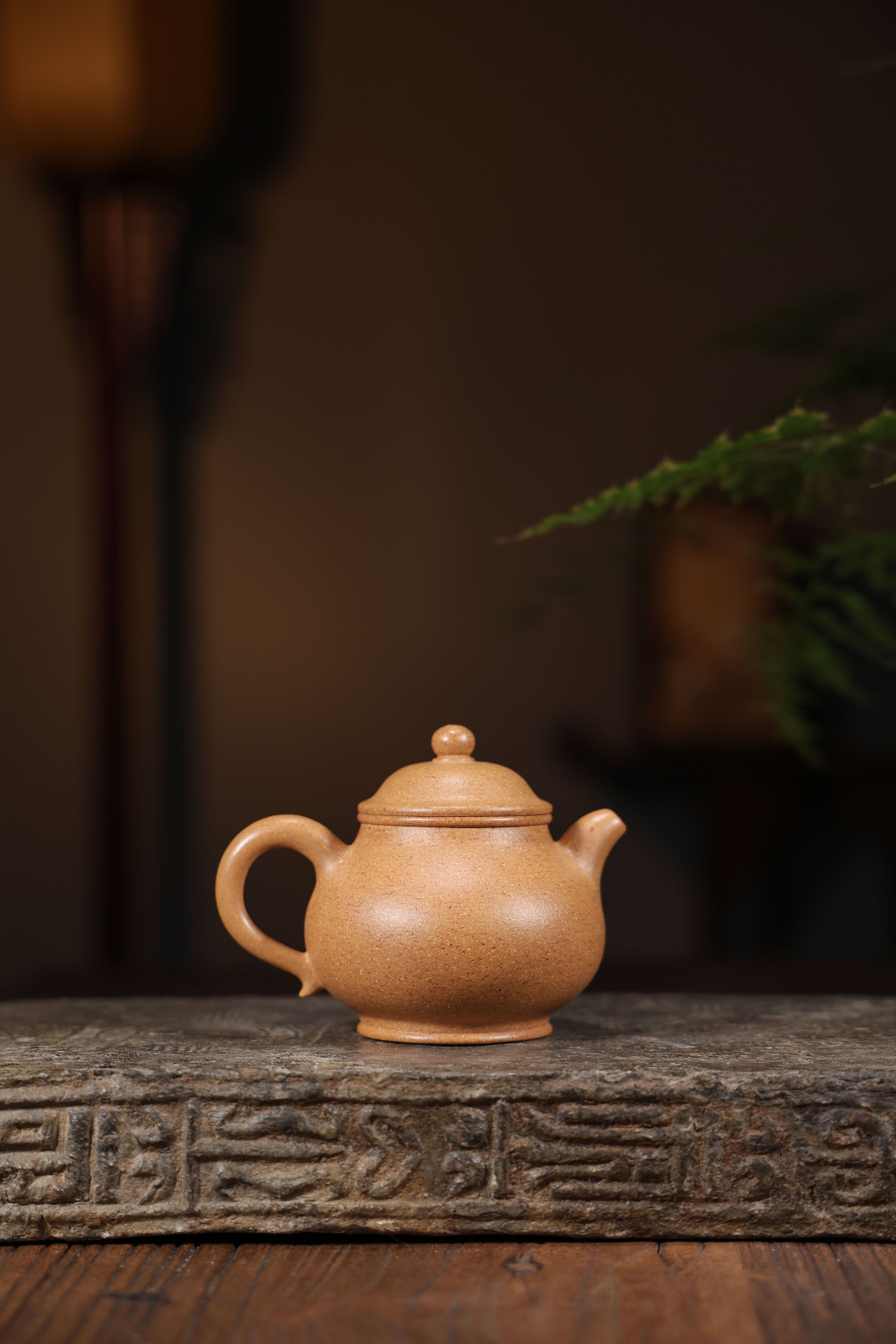
Why do serious drinkers describe their favorite Purple Clay Teapot as irreplaceable?
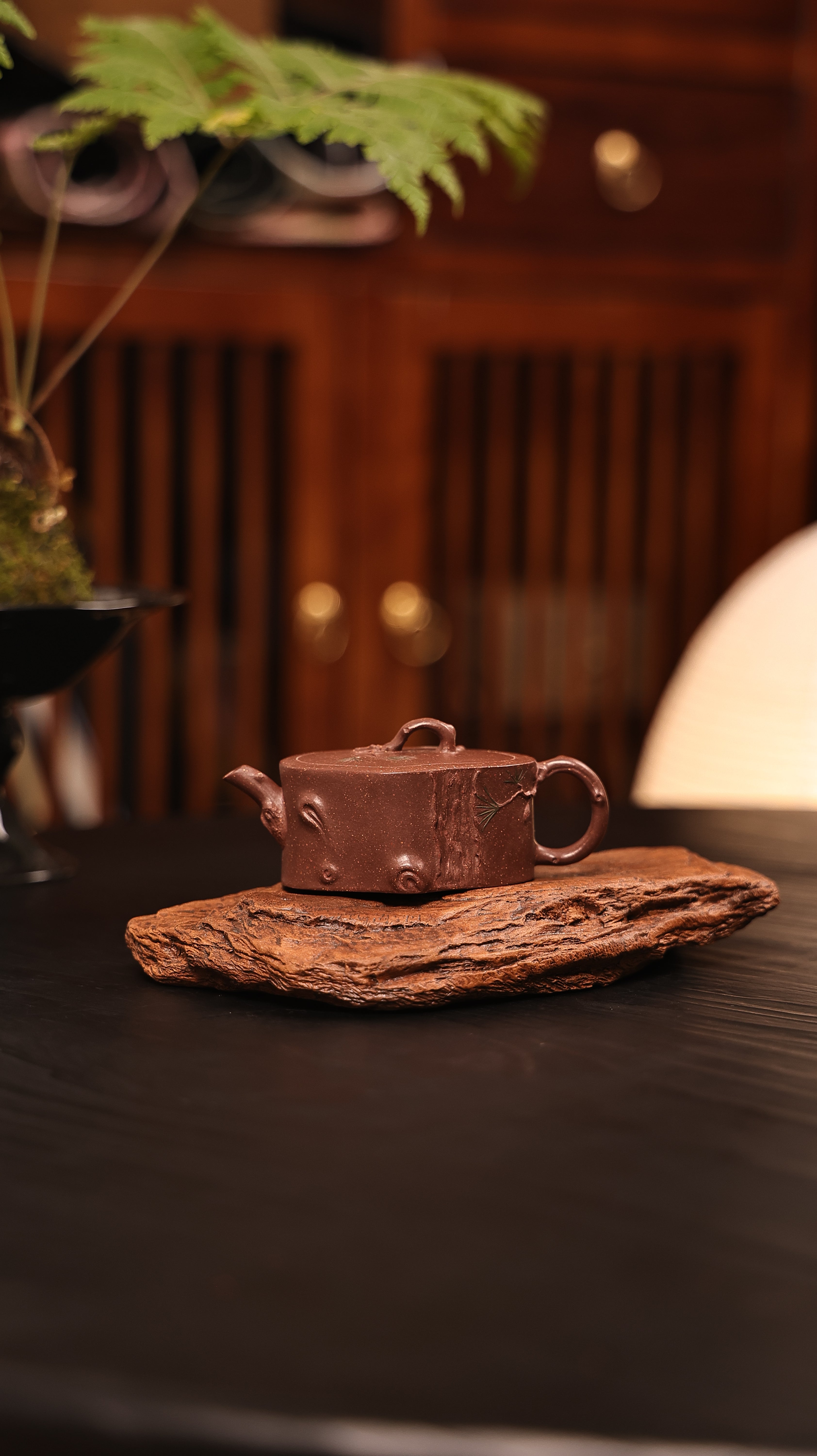
In the realm of timeless legacies,
Across periods, connoisseurs have been enthralled by the uncommon charm of Yixing Zisha teapots. Originating from the locality of Yixing in the region of Jiangsu, these implements are renowned for their illustrious beauty, exclusive clay, and fundamental ability to refine the note of tea. The clay's distinctive purple-brown hue, combined with the artistic craftsmanship of local artisans, creates artifacts that are as functional artwork and precious investments. Acquiring a Zisha teapot is more than just a purchase; it's embracing a rich cultural heritage.
Examining Yixing Teapots: Saga, Styles, and Price
Celebrated Yixing teapots serve as a deep past deeply intertwined with Chinese culture. Stemming in the Yixing region of Jiangsu province, these clay vessels possess a heritage stretching back to the Ming Dynasty. Former examples were functional, but through centuries, Yixing teapot creation evolved into an esteemed art form. The clay itself, known for its unique grain and ability to influence the flavor of the tea, remains a defining factor. Yixing teapots materialize in various kinds, broadly categorized by shape: Standard such as Zhuni (purple clay) and Bisheng, as well as advanced designs. The worth of a Yixing teapot centers on several factors, including the potter’s standing, the age of Purple Clay Teapot the piece, the rarity of the clay, and its aesthetic allure.- Origins: Ming Dynasty
- Composition: Diverse kinds
- Pricing Criteria: Rarity
Zisha Pot Excellence: Methods and Craftsmen
This development of a legitimate Zisha teapot is a intricate process, requiring multiple cycles of practice. Skilled artisans meticulously identify the top-grade Zisha clay, a singular earth found only in specific regions of China. Longstanding techniques, often inherited through families, involve exact shaping, refined carving, and calm firing in ancient hearths. The final teapot isn't merely a holder; it's a testament to creative vision and the serious connection between the artist and their inheritance. Each teapot showcases the singular touch of the potter, resulting in a truly singular work of craft.
Classical Pottery: Delving into the Deep Practices of the Yixing Region
Historic Yixing, located in Jiangsu the district, is commonly renowned for its exceptional vessels – a tangible representation of centuries of Chinese artisanry. These aren't merely vessels for preparing tea; they are intricate works of innovation, often reflecting conceptual ideals. Yixing's unique purple clay, known as Zisha, possesses notable qualities: it dense, permeable, and imparts a subtle quality to the tea.
- Many lineages have honed the techniques of Yixing pot making, passing down hereditary methods through times.
- Enthusiasts prize these pieces for their appearance and oddity.
- Particular vessel tells a legend, connecting the recipient to a rich past.
Committing to Yixing Zisha: Vital Indicators
Considering exploring acquiring Yixing Zisha ceramics, diverse points demand careful scrutiny. Initially, the element's pigment is key; authentic Zisha conventionally exhibits a pronounced reddish-brown shading. In addition, assess the workmanship; distinct characteristics and a polished covering signify proficient craft. Eventually, analyze the fabricator's profile; distinguished names draw boosted amounts and often grant a promising profit.
The Art of Brewing Tea with a Zisha Teapot
Brewing palatable tea with a Zisha carafe is more over a simple practice; it's an science. Zisha clay, distinguished for its unique elemental composition, imparts a nuanced character to the brewed tea that’s often lacking with other implements. The suitable water level is required; typically, gentler than what's used for black tea, to preserve the tea's smell and quality. Consider diligently the tea selection; delicate green teas or aged pu-erhs thrive from the Zisha’s ability to reduce their primitive edge. It’s essential to cleanse the teapot before brewing, and to exclude over-steeping. Mastering this skill leads to a authentically exceptional tea experience.
- Realizing Zisha Clay
- Water Warmth & Tea Selection
- Significance of Pre-heating
Enhancing Your Celebrated Vessel
To sustain the existence of your treasured Yixing container, consistent care is critically essential. Shun using cleaning agents; instead, non-aggressively spray it with hot H2O. Prevent immediate changes; refrain lay the teapot directly onto a searing surface. Periodically, enhance the teapot by percolating it with fine matured tea, as this facilitates to develop its essence and protects the inimitable essentials of the earth.
With respect to Soil to Chalice: The Path of a Famous Teapot
This creation of a Zisha teapot is a extraordinary technique, a evidence to both the earth's bounty and the craft of the handworker. It commences with the thorough extraction of the unique clay from the magenta Zisha mines by Yixing. This raw material, known for its extraordinary peculiarities, is then patiently washed and configured for the beginning forming. The vessel’s figure is expertly made using a fusion of established hand-building techniques, often incorporating ornate figurings. Following drying, the vessel undergoes a decisive first firing, complemented by a layering stage, which might involve several layers of traditional Zisha layers. Finally, a second, and sometimes third, firing at robust temperatures renders the composition, revealing its final beauty and splendid characteristics - a real masterpiece, equipped to embellish a tea session.
{Yixing Teapots: A Exemplar of Chinese Heritage and Respect
Famed Yixing teapots, originating from the prestigious Yixing region of Jiangsu province, are far more than mere ceramics for brewing potions; they represent a weighty aspect of Chinese identity. Crafted from distinctive purple clay – zisha – these unique teapots are highly prized for their ability to enhance the flavor of the tea and, crucially, for their beauty. The history of Yixing teapot making spans centuries, and the skill involved is passed down through generations, making each teapot a artistic creation that embodies ancient techniques and a profound appreciation for the understated pleasures in life.